King of All Instruments, the Piano
The grand piano is a complex instrument. Some have more than 7,000 parts, many of which are moving parts. There is incredible tension in its strings. The interaction of a piano’s woods, glues and other components is a science unto itself. Because of its logical, visual nature, the piano has always occupied a special place in music. It is the beating heart of much of the world’s composition and musical understanding.
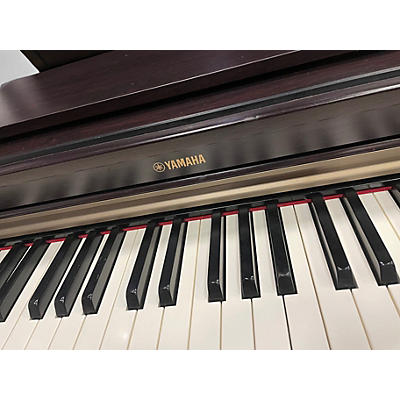
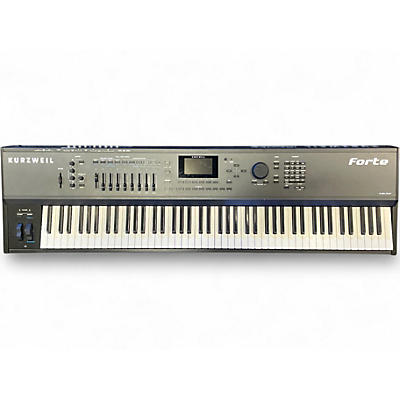
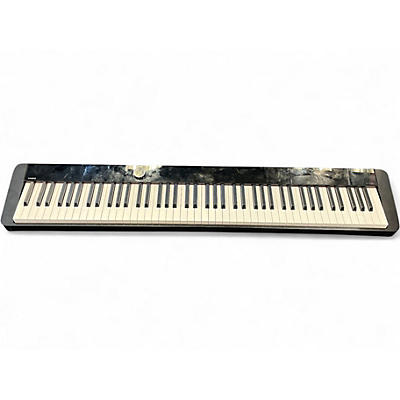
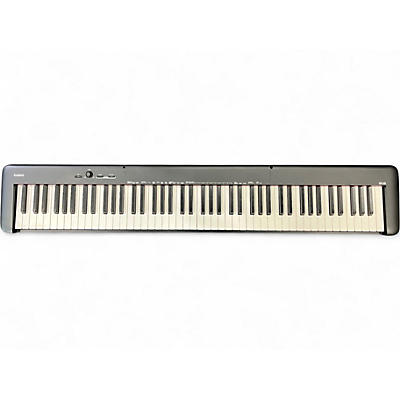
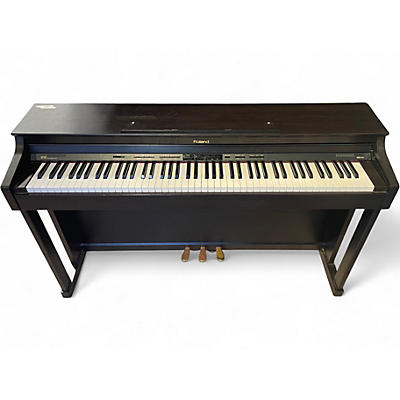
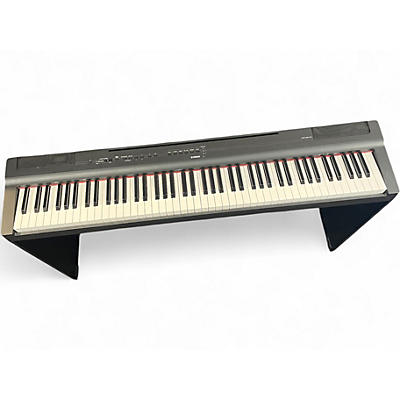
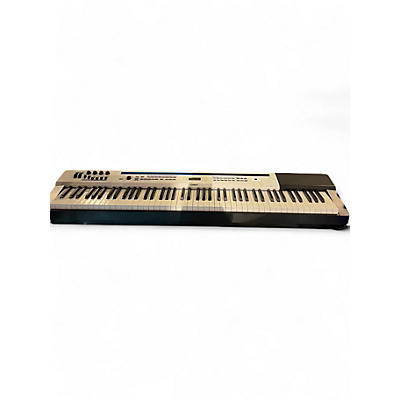
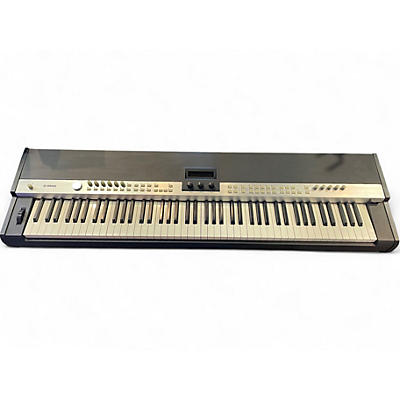
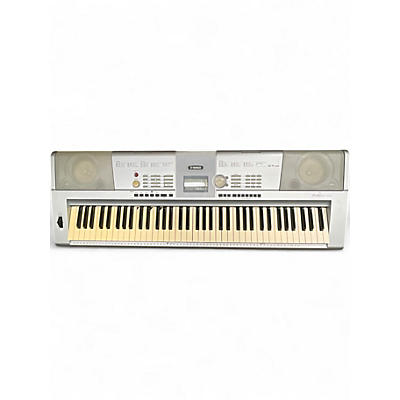
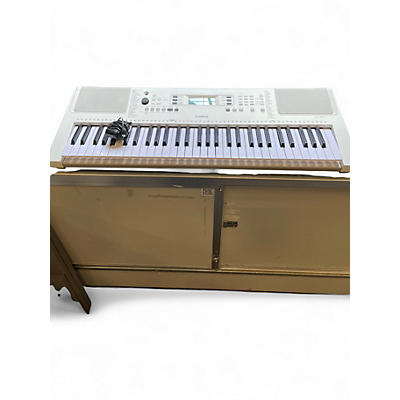
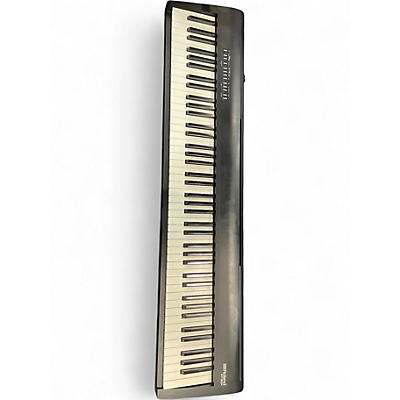
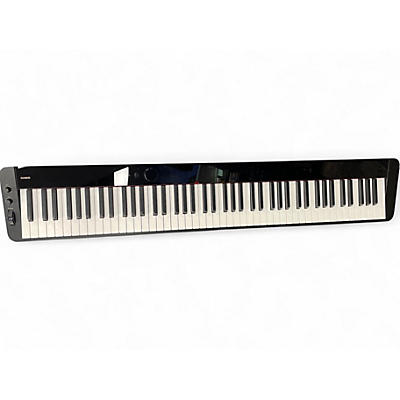
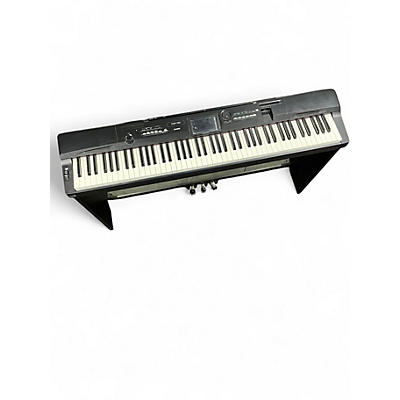
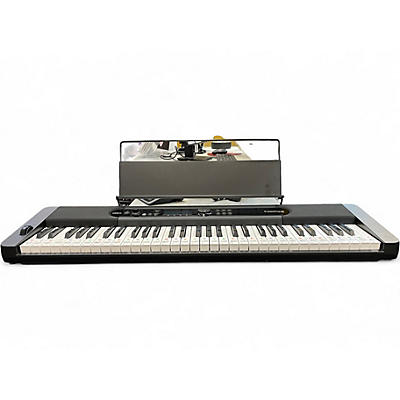
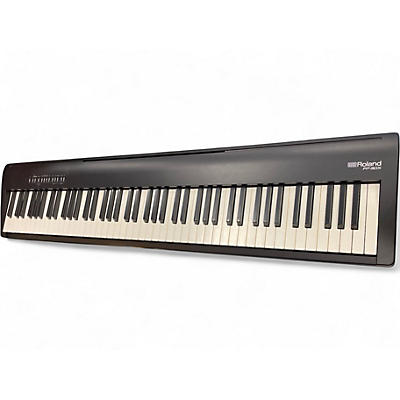
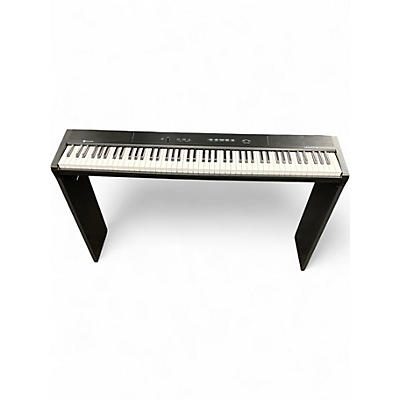
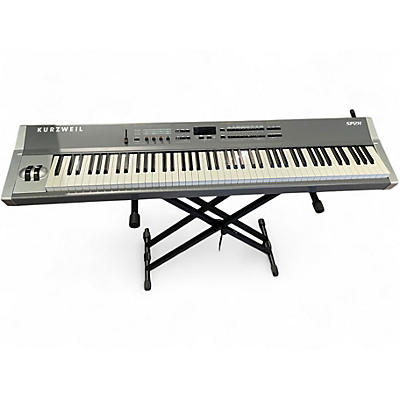
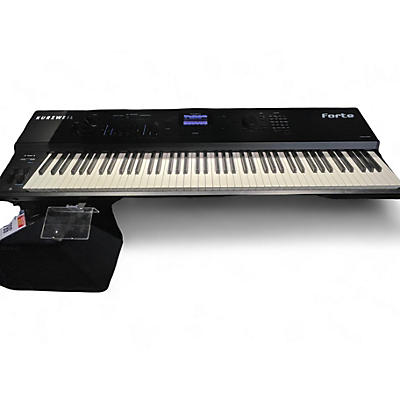
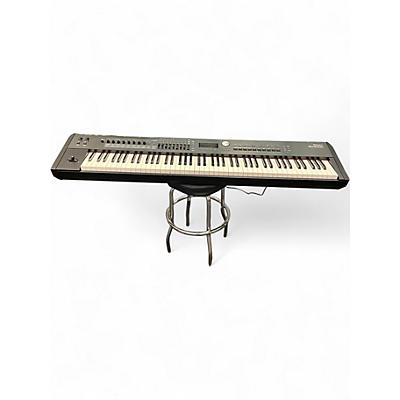
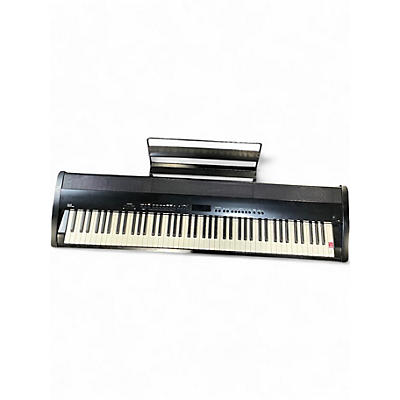
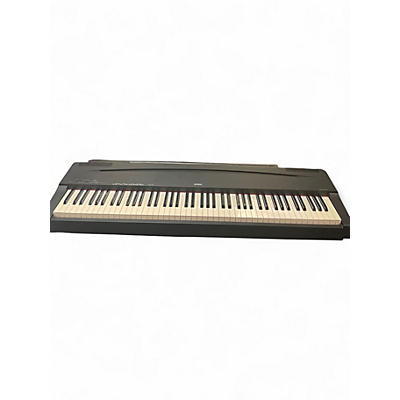
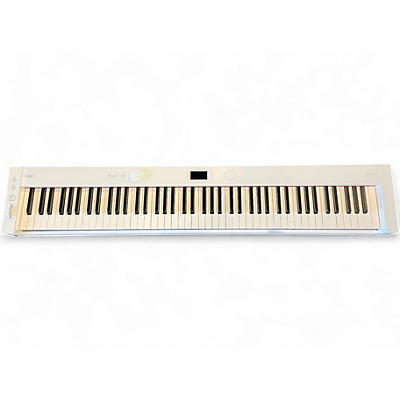
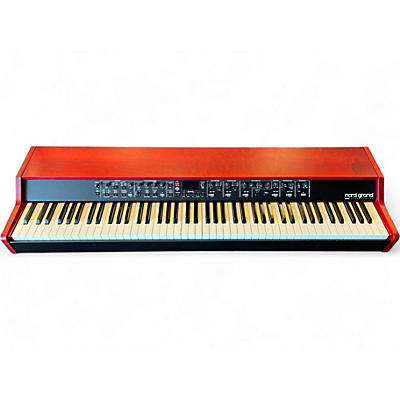
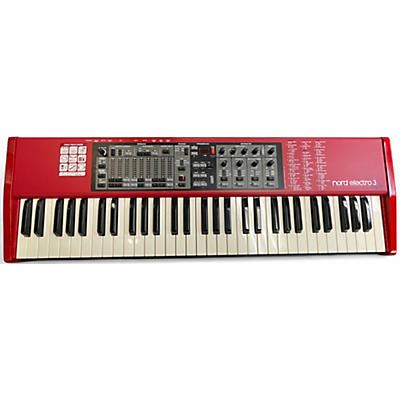
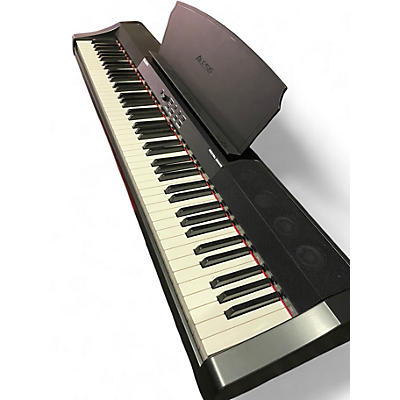
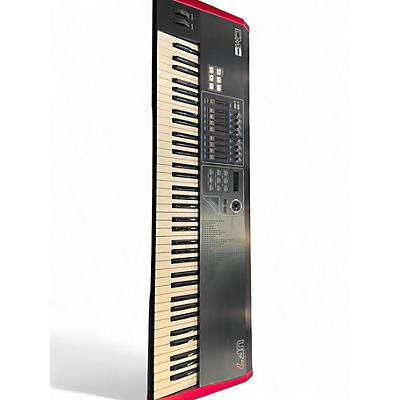
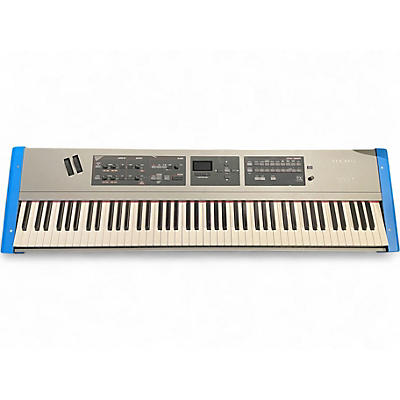
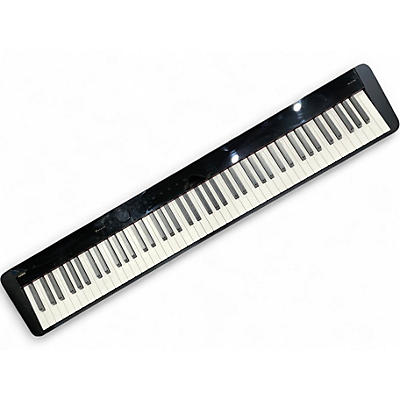
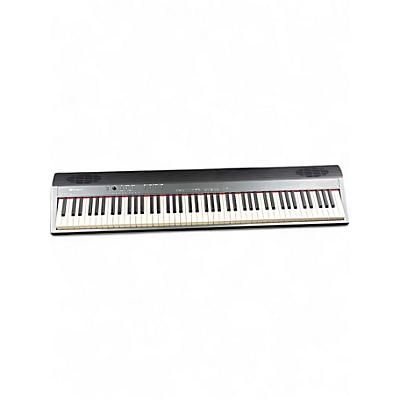
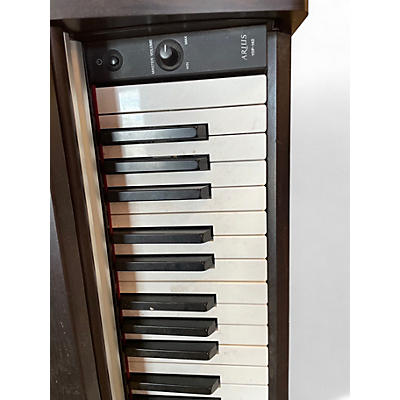
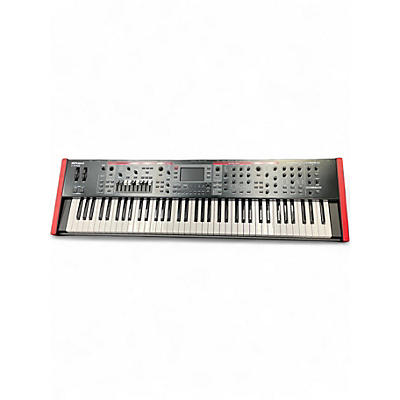
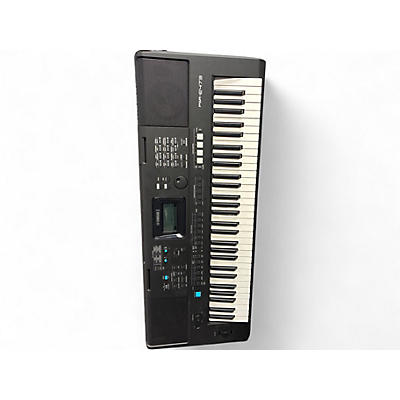
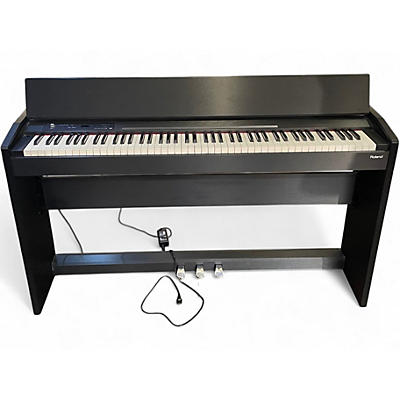
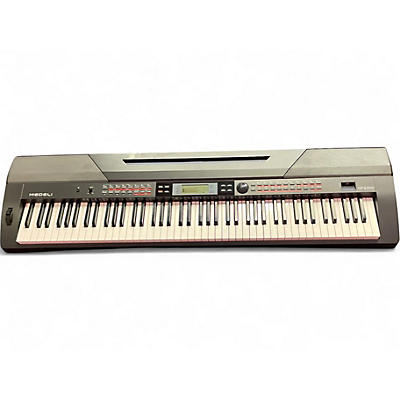
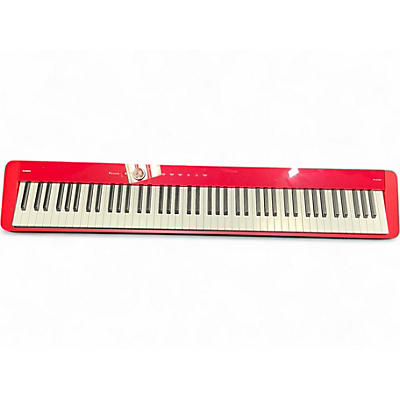
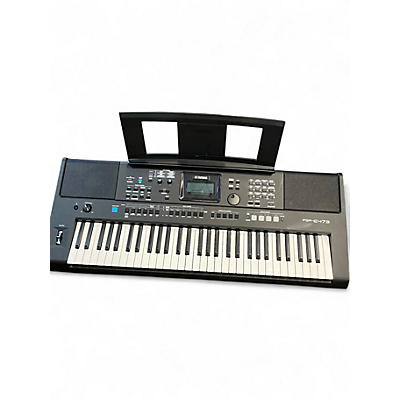
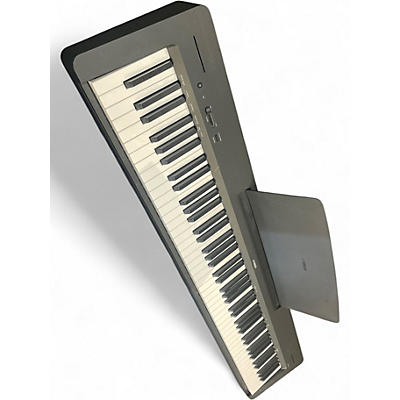
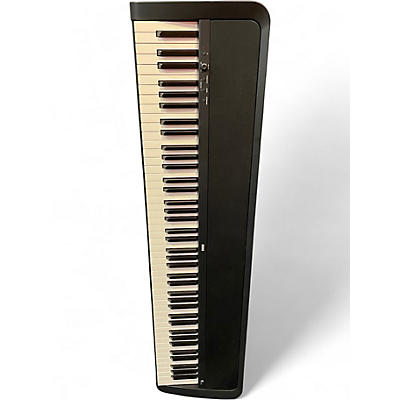
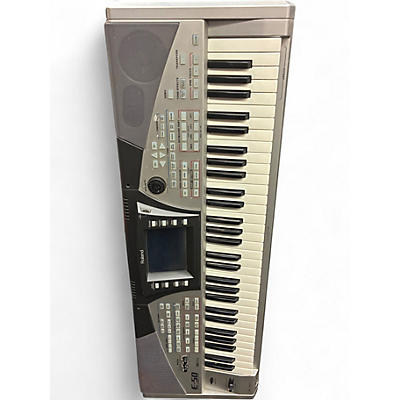
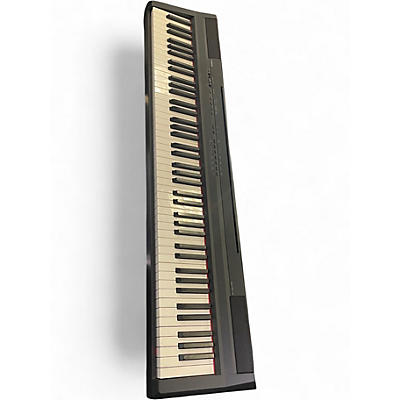
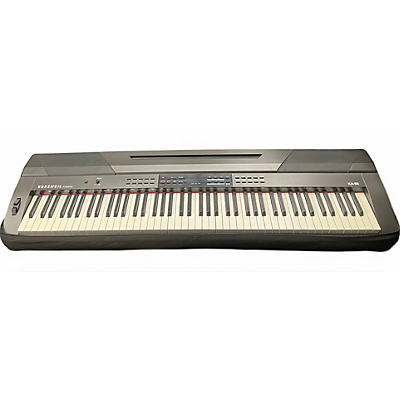
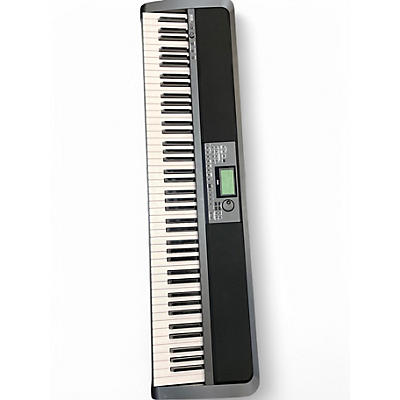
There are two categories of modern pianos: acoustic and digital. Acoustic piano keys trigger a hammer that contacts a piano wire. This makes it both a string and percussion instrument. Digital piano technology improved vastly over recent years. Piano sampling and acoustic-like keyboard feel helped digital pianos become more popular. There’s a vast, affordable selection of lighter weight digital pianos available. And they never go out of tune.
History of Pianos
In 1700, Italian musician Bartolomeo Cristofori got the idea to replace the plucking mechanism in the harpsichord with a hammer mechanism. Music hasn’t been the same since. The big difference was not only the character of the sound produced. It was also the increased dynamic range of the instrument. At last, a keyboard instrument could rival brass, woodwind and string instruments in terms of expression. Because of this increase in dynamic capacity, it earned the name pianoforte. Dynamic capacity is the ability to play both piano (soft) and forte (loud).
Keyboard instruments existed well before the development of the pianoforte. Depending on how you define what a piano is, Cristofori could be the modern piano’s inventor. It’s possible the piano’s real defining feature piano is the hammer striking a string. It appeared on the dulcimer, a middle-eastern instrument that emerged two thousand years ago. But, the player’s hand triggered the dulcimer’s hammers directly. As such, dulcimers seem at first glance not to have much in common with the piano. But, the tone-generating principle is the same.
The Pianoforte’s Predecessors and Successors
One of the first keyboard instruments was the clavichord. Its handicap was its lack of volume. Ironically, it had one of the chief features of the pianoforte: dynamics. A depressed key triggered the clavichord’s brass strip, which struck a pair of strings. Musicians knew little about sounding boards at the time. So, its loudness issue sent musicians with an inventive streak scrambling for improvements in that area.
The virginal, the spinet and the harpsichord all followed. Each sought to improve upon various aspects of their predecessors. The virginal introduced a plucking mechanism as opposed to a primitive hammer mechanism. This achieved a more usable volume. The spinet added more keys. The harpsichord’s longer strings afforded still more keys along with a few control elements. The Cristofore design was based on and then eclipsed the harpsichord with multiple hammer mechanisms triggered from keys. He would improve this mechanism several times in the three decades that would remain in his life after his initial momentous design.
The 18th century was a time of change in orchestral music, with tremendous advances in metallurgy, engineering and woodworking. New and better flutes, reeds and mouthpiece instruments became increasingly available, and the piano developed accordingly. Originally a 60-key instrument, it was soon expanded to 85, and then finally to its current 88 keys as the acoustic properties of cabinets and sounding boards improved alongside the strength of the internal hardware.
By the 19th century, cast-iron frames, action that supported rapid restrikes and enhanced tuning stability helped extend the piano’s popularity and power. It soon became a symbol of success and sophistication to have a piano in one’s house. After meals or during get-togethers, the piano room, or parlor, was the family’s gathering place for socializing.
The modern grand piano evolved from all of this, adding elements like cross-stringing, which achieves a greater tone richness by passing more strings over the sound board’s resonant center. Mechanical action improvements came in recent decades, as well as overall improvements in gluing, string manufacturing and understanding of wood properties.
All That Jazz (Pianos)
In the 20th century, the piano became the centerpiece of jazz music. Whether played on rickety upright pianos in barroom settings or on nine-foot grand pianos on concert stages, jazz music’s great composers and players coaxed new sounds out of this more than 300-year-old instrument. Duke Ellington, Thelonius Monk and Dave Brubeck were the Bach, Mozart and Beethoven of their respective times. They, along with dozens of other prominent jazz composers, redefined what a piano was capable of.
Advanced technical proficiency was likewise no longer the sole province of classical pianists. Musicians like Art Tatum, Oscar Peterson and others proved that extreme mastery of the piano was as much a part of jazz music as it was classical music. Modern greats of jazz piano include Brad Meldau, Chick Corea, Herbie Hancock, David Garfield and of course, many others.
The Modern Grand Piano, and What Piano Pedals Do
The grand piano of today is an 88-key instrument that spans seven and a third octaves, from A0 to C8. Depressing a piano key causes a hammer to strike the string. Its force corresponds to how hard the player strikes the key. But that’s not all it does. It also lifts a damper off the corresponding string. When you release the key, the damper reengages and damps that note. This brings us to the function of the three pedals.
The most common is the sustain pedal or damper pedal. It is the rightmost of the three. Depressing the damper pedal performs the same action as pressing down a single key, only it lifts the damping mechanism off of all of the keys. The piano is a resonant instrument. Its vibrations constantly influence its many strings. Engaging the damper pedal results in a more fluid and full sound, and also affords interesting effects with arpeggiations.
The leftmost pedal is the soft pedal. The next time you are near a grand piano, depress the soft pedal and watch the keyboard. The entire key bed shifts so the hammers strike fewer strings, which lends a softer sound. The center pedal is the sostenuto pedal. It disengages the dampers selectively. Play a chord or a note, then depress the sostenuto pedal. Those notes will continue to ring out until releasing the sostenuto pedal.