










Home Guitars

Guitars

New Guitars

Shop All
Used Emperador acoustic black Acoustic Guitar
Product Price  $269.99
Fair Condition
Used Charvel Pro Mod DK24 Black Solid Body Electric Guitar
Product Price  $809.99
Fair Condition
Used 2005 Gibson Les Paul Special Double Cut Yellow Solid...
Product Price  $1,299.99
Fair Condition
Used Epiphone 1963 AJ-45S Vintage Sunburst Acoustic Guitar
Product Price  $399.99
Fair Condition
Used Schecter Guitar Research Tempest Custom white Solid...
Product Price  $499.99
Fair Condition
Used 2018 Gibson Les Paul Special Cherry Solid Body...
Product Price  $1,299.99
Fair Condition
Used Keith Urban Black Label Platinum Natural Acoustic...
Product Price  $449.99
Fair Condition
Used Ibanez AG75 Artcore SUNBURST Hollow Body Electric...
Product Price  $449.99
Fair Condition
Used Cresent Guitars BASE BLACK Solid Body Electric Guitar
Product Price  $109.99
Fair Condition
Used Gibson Les Paul Studio Red Solid Body Electric Guitar
Product Price  $854.99
Fair Condition
Used ESP LTD MH350FR QUILTED MAPLE Solid Body Electric...
Product Price  $499.99
Fair Condition
Used Gibson L00 12 Fret Rosewood Burst Acoustic Electric...
Product Price  $2,399.99
Fair Condition
Used 2019 Gibson Les Paul Tribute cherry burst Solid Body...
Product Price  $1,019.99
Fair Condition
Vintage 1960s Silvertone 1448 with case amplifier Black...
Product Price  $699.99
Vintage 1975 Martin D28 Natural Acoustic Guitar
Product Price  $2,299.99
Used Kay 1160 Antique Natural Acoustic Guitar
Product Price  $199.99
Fair Condition
Vintage 1960 Danelectro DC2 Black Solid Body Electric...
Product Price  $1,699.99
Used Timberline Guitars T65 GAC Natural Acoustic Electric...
Product Price  $834.99
Fair Condition
Used Alvarez 5210 Natural Acoustic Guitar
Product Price  $134.99
Fair Condition
Used LAVA MUSIC LAVA ME PLAY WHITE Acoustic Electric Guitar
Product Price  $319.99
Fair Condition
Used Spectrum SPECTRUM 2 TONE 2 Tone Sunburst Solid Body...
Product Price  $199.99
Fair Condition
Used 2018 Gibson Explorer NATURAL Solid Body Electric...
Product Price  $2,099.99
Fair Condition
Used ESP LTD TL6 Chrome Red Acoustic Electric Guitar
Product Price  $399.99
Fair Condition
Used Dean EXBKS Exhibition Black Acoustic Electric Guitar
Product Price  $359.99
Fair Condition
Used ESP LTD TE200 BLACK Solid Body Electric Guitar
Product Price  $319.99
Fair Condition
Used Fender DAN SMITH STRATOCASTER BLACK Solid Body...
Product Price  $1,299.99
Fair Condition
Used Gibson Les Paul Standard Iced Tea Solid Body Electric...
Product Price  $1,499.99
Fair Condition
Used Epiphone les paul modern black sparkle Solid Body...
Product Price  $349.99
Fair Condition
Used PRS S2 Vela Wine Red Solid Body Electric Guitar
Product Price  $774.99
Fair Condition
Used Schecter Guitar Research Damien 7 String Black Solid...
Product Price  $329.99
Fair Condition
Used Yamaha FG150 Natural Acoustic Guitar
Product Price  $499.99
Fair Condition
Used Epiphone MKH LES PAUL CUSTOM Black Solid Body Electric...
Product Price  $599.99
Fair Condition
Used Slammer SP-1F/CS Crimson Red Burst Solid Body Electric...
Product Price  $199.99
Fair Condition
Used Seagull S6 Original QIT Natural Acoustic Electric...
Product Price  $499.99
Fair Condition
Used DBZ Guitars DIAMOND IMPERIAL Tortoise Shell Solid Body...
Product Price  $749.99
Fair Condition
Used Eastman AR403CE 2 Color Sunburst Hollow Body Electric...
Product Price  $929.99
Fair Condition
Used 2020 Jackson js30dkt Black Solid Body Electric Guitar
Product Price  $229.99
Fair Condition
Used Jackson HTP 7 BLACK AND NATURAL Solid Body Electric...
Product Price  $749.99
Fair Condition
Used SIGMA DM1ST-12 Natural 12 String Acoustic Electric...
Product Price  $335.99
Fair Condition
Used Martin D18 Natural Acoustic Guitar
Product Price  $1,949.99
Fair Condition
Used Ibanez XPT700 RED CHAMELEON Solid Body Electric Guitar
Product Price  $899.99
Fair Condition
Used Framus TEXAN 12 STRING 2 Tone Sunburst 12 String...
Product Price  $299.99
Fair Condition
Used Guild Detonator Cream Solid Body Electric Guitar
Product Price  $699.99
Fair Condition
Vintage 1999 Takamine ND15C Worn Natural Acoustic Electric...
Product Price  $1,099.99
Used 2005 Kramer FOCUS Black Solid Body Electric Guitar
Product Price  $299.99
Fair Condition
Used Gretsch Guitars G5230T Nick 13 Black Solid Body...
Product Price  $349.99
Fair Condition
Used Admira Sevilla Natural Classical Acoustic Guitar
Product Price  $159.99
Fair Condition
Used Gibson Les Paul Elegant Natural Solid Body Electric...
Product Price  $3,499.99
Fair Condition
Used Gretsch Guitars G5425 ELECTROMATIC Metallic Silver...
Product Price  $339.99
Fair Condition
Used 2019 Fender American Performer Telecaster Sonic Blue...
Product Price  $849.99
Fair Condition
Used 2024 Gibson STUDIO MODERNE SMOKE HOUSE BURST Solid...
Product Price  $1,175.99
Fair Condition
Used Jackson PS-4 Brown Solid Body Electric Guitar
Product Price  $499.99
Fair Condition
Vintage 1960s Kay/orpheum Leader Natural Acoustic Guitar
Product Price  $599.99
Used Gibson LES PAUL STD 50S PLAIN TOP SUNBURST Solid Body...
Product Price  $1,799.99
Fair Condition
Used Gibson Midtown Standard Faded Red Solid Body Electric...
Product Price  $1,259.99
Fair Condition
Vintage 1980s Seagull 12 string Vintage Natural 12 String...
Product Price  $299.99
Used Fender Squire Series Stratocaster Black Solid Body...
Product Price  $399.99
Fair Condition
Vintage 1950s Gibson Les Paul Special White Refinish Solid...
Product Price  $7,499.99
Used Mischellanious S-TYPE Red Solid Body Electric Guitar
Product Price  $149.99
Fair Condition
Used Garrison G50 CE Natural Acoustic Electric Guitar
Product Price  $499.99
Fair Condition

About Guitars

It's easy to make the case that the guitar is the most popular instrument in the world. It's certainly one of the most numerous, with more than 2.5 million guitars sold every year. Acoustic or electric, they come from a huge range of manufacturers from around the world. Country music, blues, rock, pop and jazz all evolved and expanded thanks to the guitar. In fact, you'd be hard pressed to find a musical genre that hasn't embraced guitars. It's unique sound is thanks to its combination of materials, typically all wood construction, and the way it's played. Because the guitar is played with fingers on the strings and a combination of strumming and picking, every player has a signature sound. While in many ways guitars are similar to violins and banjos, no instrument has found similar mass appeal in modern music.

The Musician's Friend team is delighted to help you find the perfect guitar. If you're looking for the perfect instrument for a young musician, check out these guitars for kids. If you're shopping for yourself, narrow your search by category or by brand. You'll find all of the most popular models from every top brand.

Popular Guitar Brands

There are guitar builders with roots stretching back to the 19th century. Those include C.F. Martin, Gibson, Gretsch and Washburn. There are 20th Century innovators, like Fender, G&L, PRS, Jackson and Taylor. Smaller boutique builders like Tom Anderson, Friedman and Duesenberg make many guitars in limited runs. Builders from Japan, Korea and other Asian countries like Yamaha, Ibanez, Alvarez, and Takamine have become guitar-building experts. Traditional European builders haven't been lost in the mix, either. You'll find classical guitar builders like Manuel Rodriguez and Cordoba, as well as Swedish and German builders like Strandberg, Hagstrom and Warwick. Musician's Friend offers a wide selection of guitars for every level of player.

Parts of a Guitar

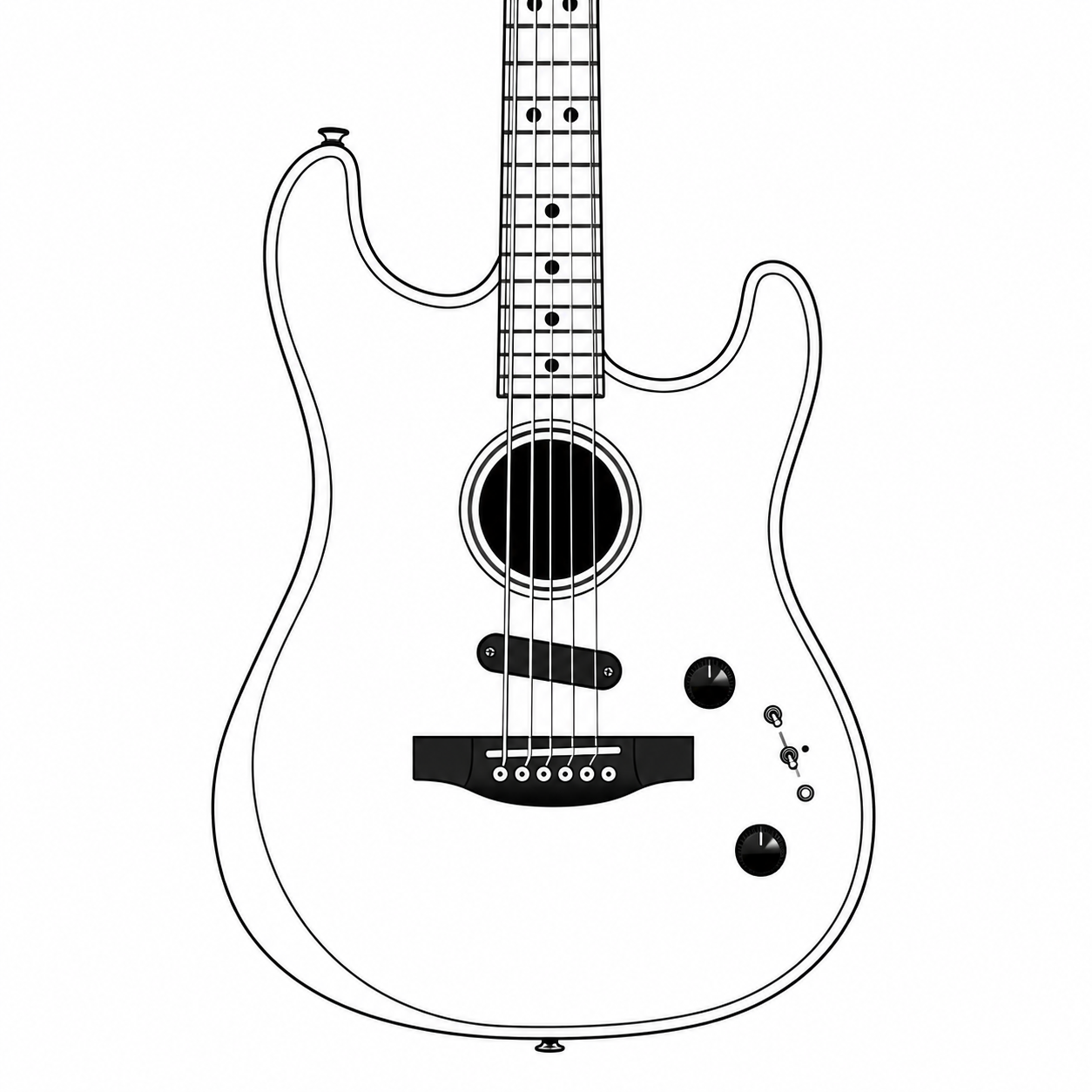
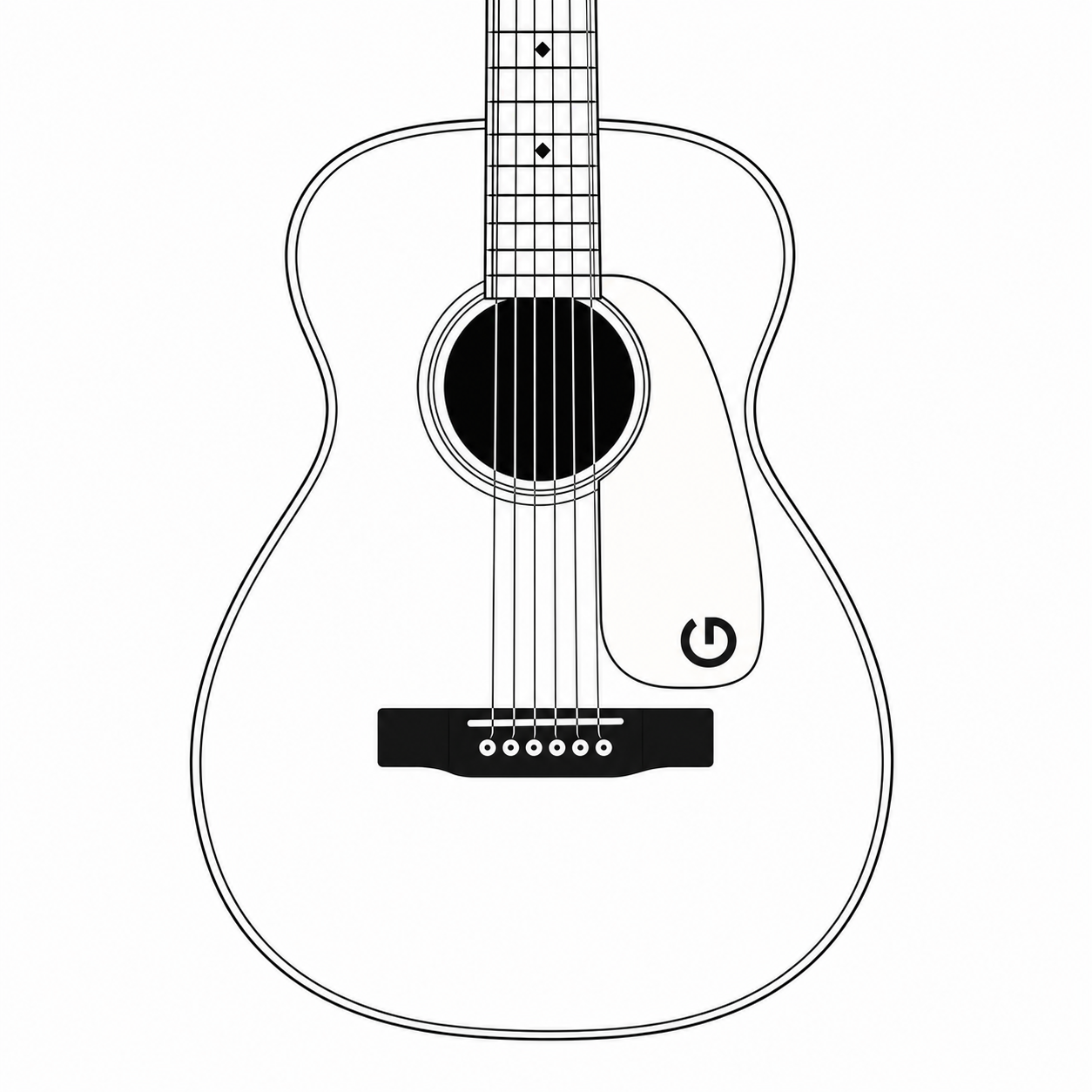
Basic guitar construction comprises a body, neck, bridge, saddles and nut, strings and a tuning mechanism. Electric guitars add pickups, a pickup selector, volume and tone controls. Acoustic guitars vary widely in tonewoods and bracing design. Modern manufacturing technology means that today's guitars are higher quality and more consistent that at any time in the past. With so many guitars to choose from, you can spend days, or even weeks, making a decision. You can always take the traditional path of looking at what types of guitars your favorite guitarists play, and make one of those choices. Knowing a little bit more about what goes into a guitar can also help find a clear path to the instrument that's right for you.

Electric Body Types

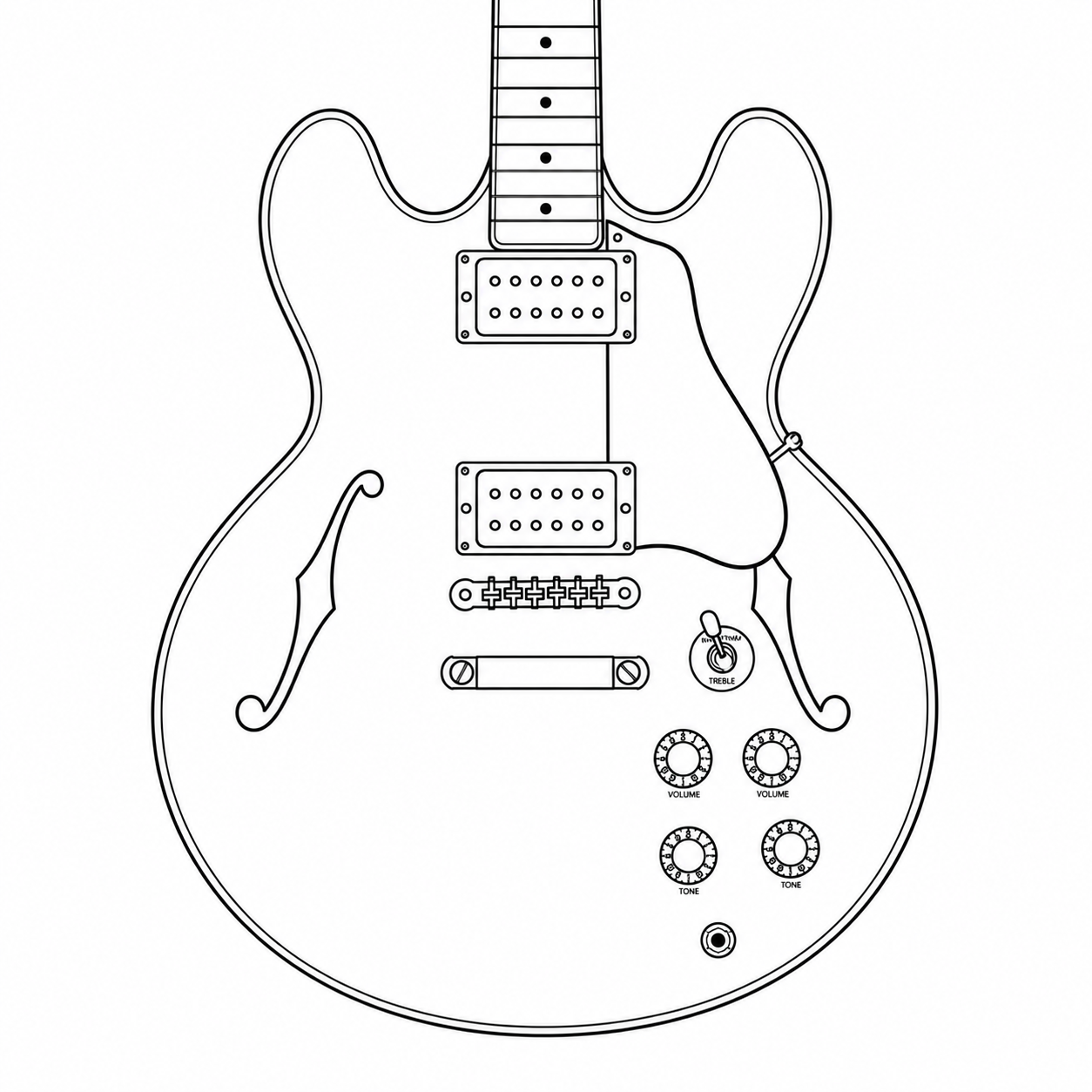
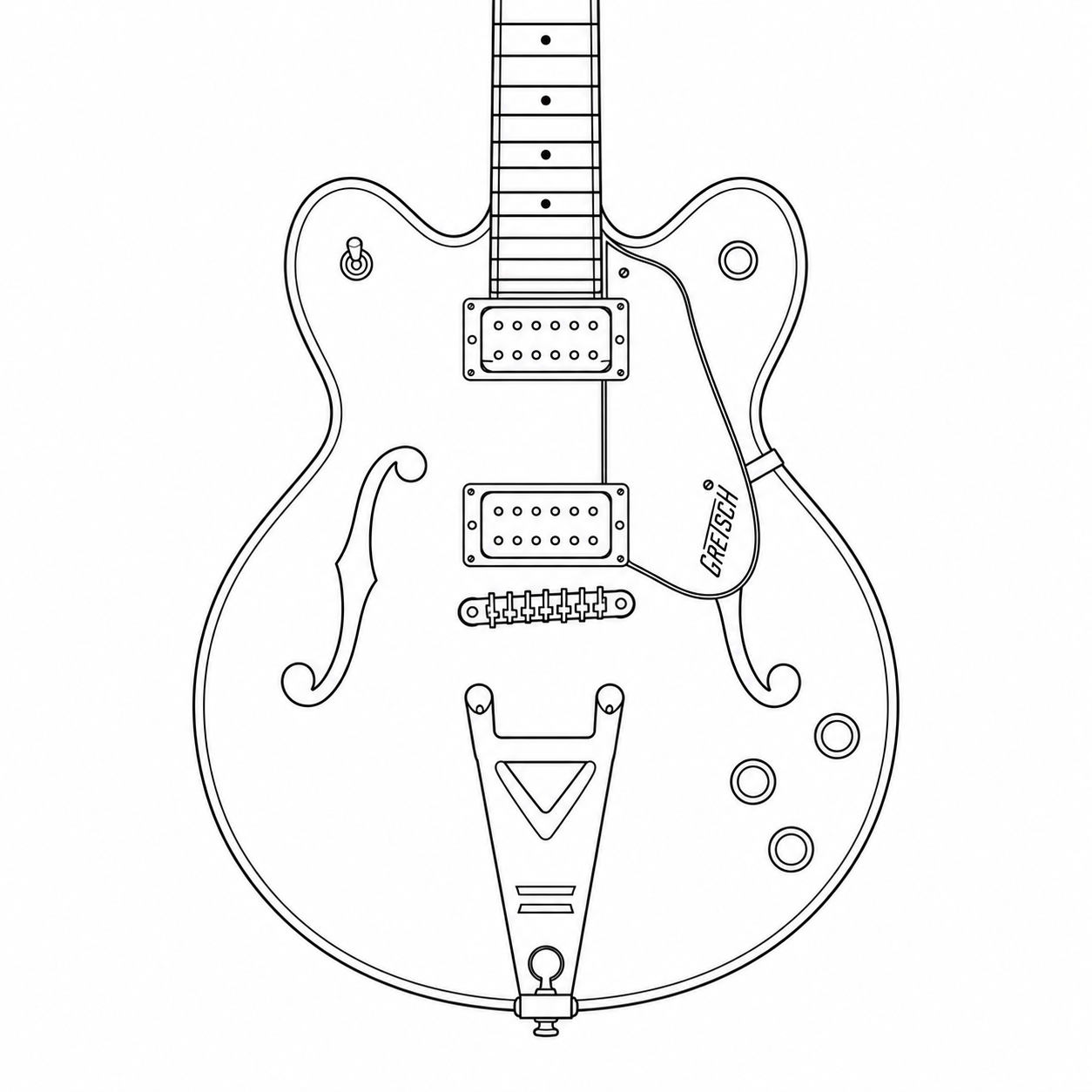
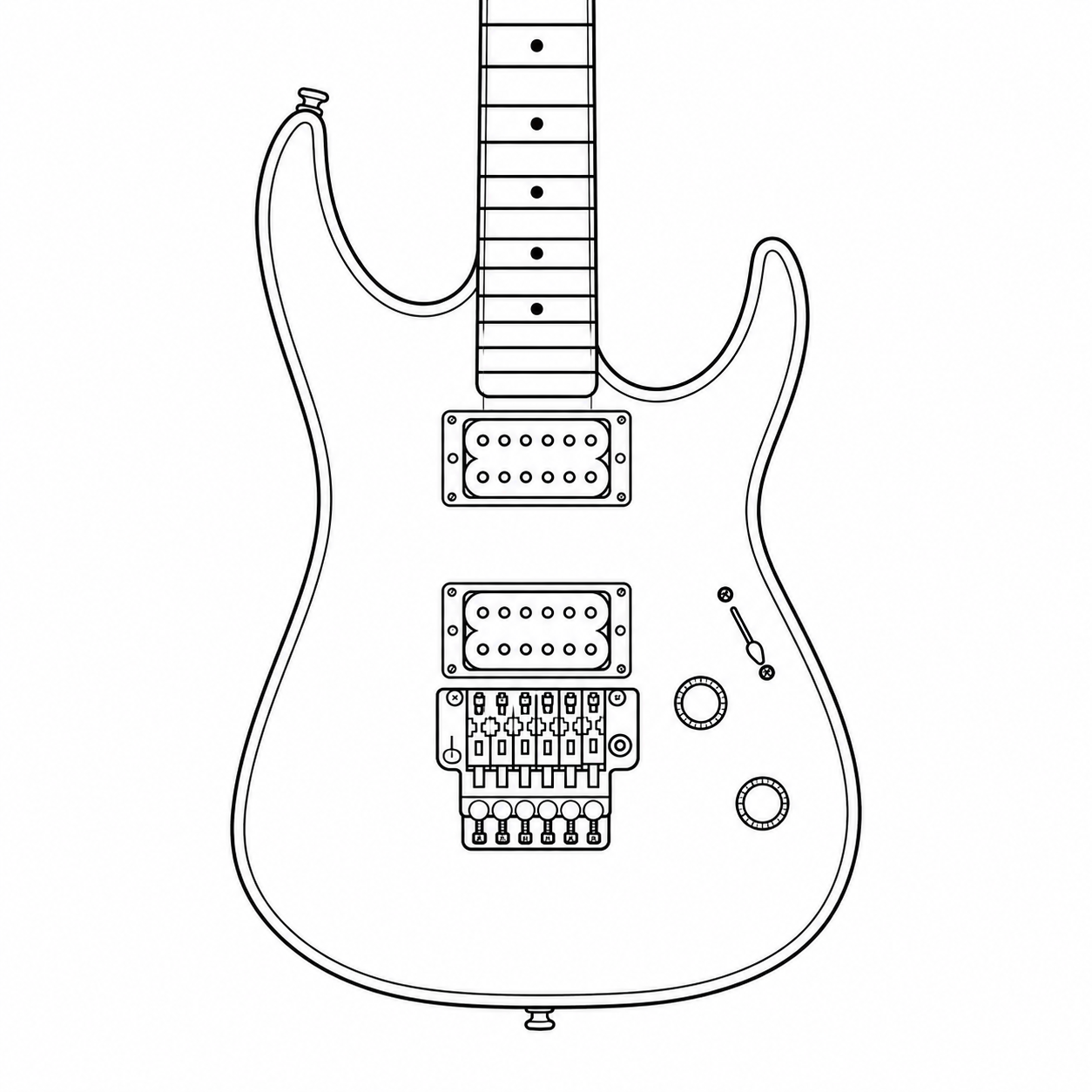
This is where the choices really expand. There are three basic categories: hollowbody, semi-hollowbody and solid body. Within those categories are buried a huge range of choices. Each of these guitars can be non-cutaway, single-cutaway or double-cutaway. If you're mostly playing rhythm, you might not want or need a cutaway guitar. If you're soloing a lot, upper fret access will be more important.

Hollowbody guitars can be full-depth or thin-line. Thinline hollowbodies have been popular in blues and soul/R&B music. Some hollowbody guitars are simply reduced body sizes from the original acoustic versions, since the pickups eliminate the need for size to obtain volume. Semi-hollowbody designs have long been a standard for blues and jazz players, combining the warmth of a "jazz box" with the feedback resistance of a pure solid-body guitar.

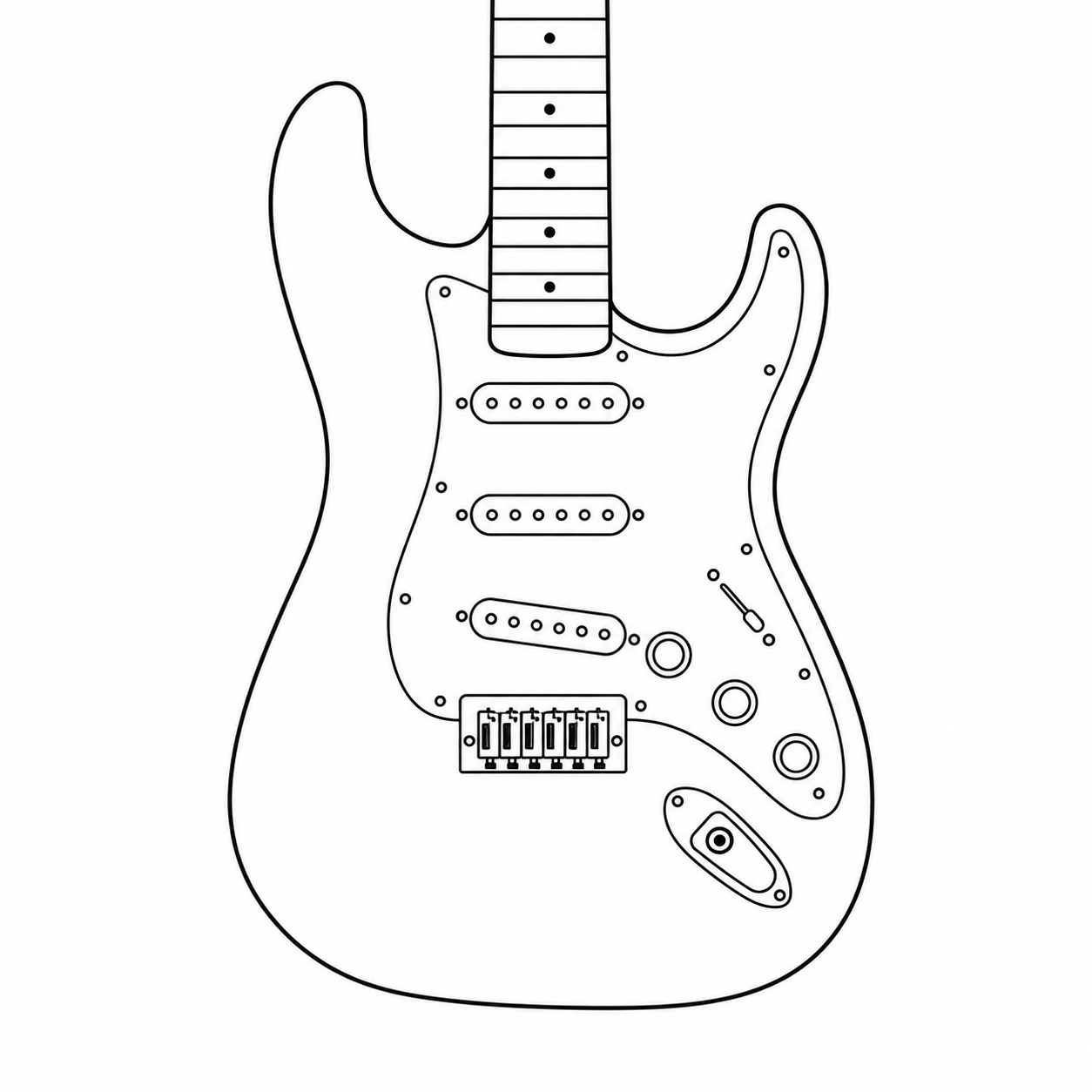
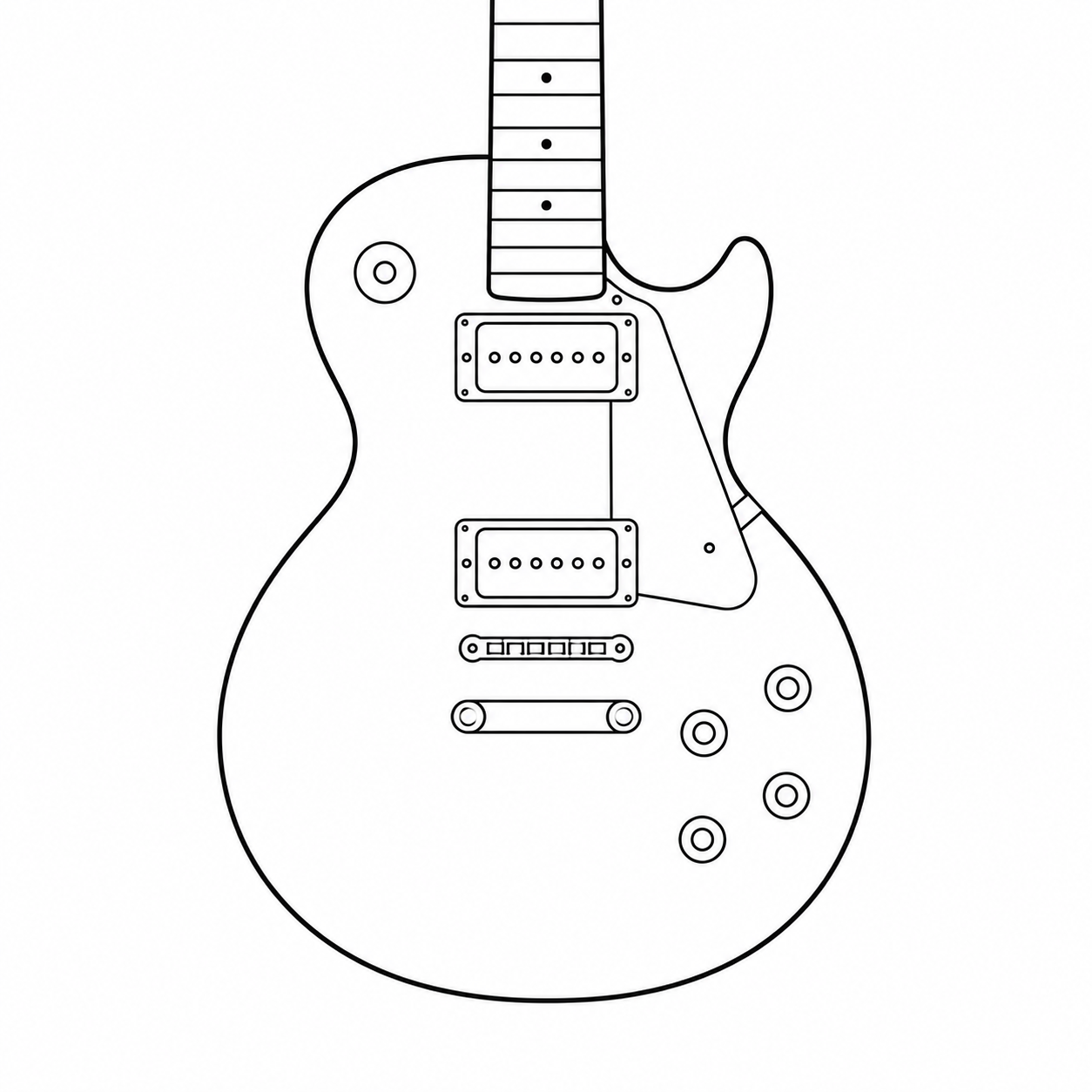
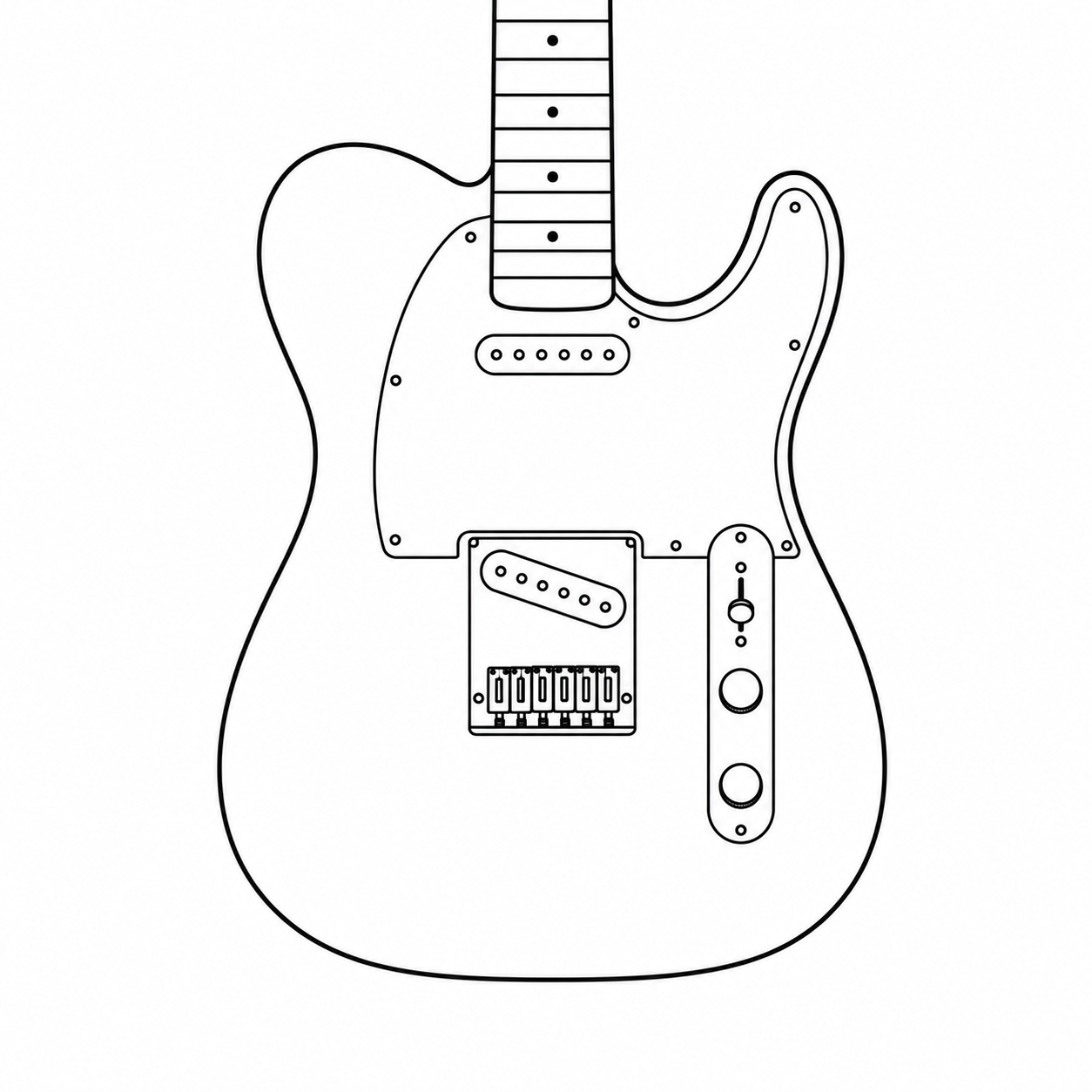
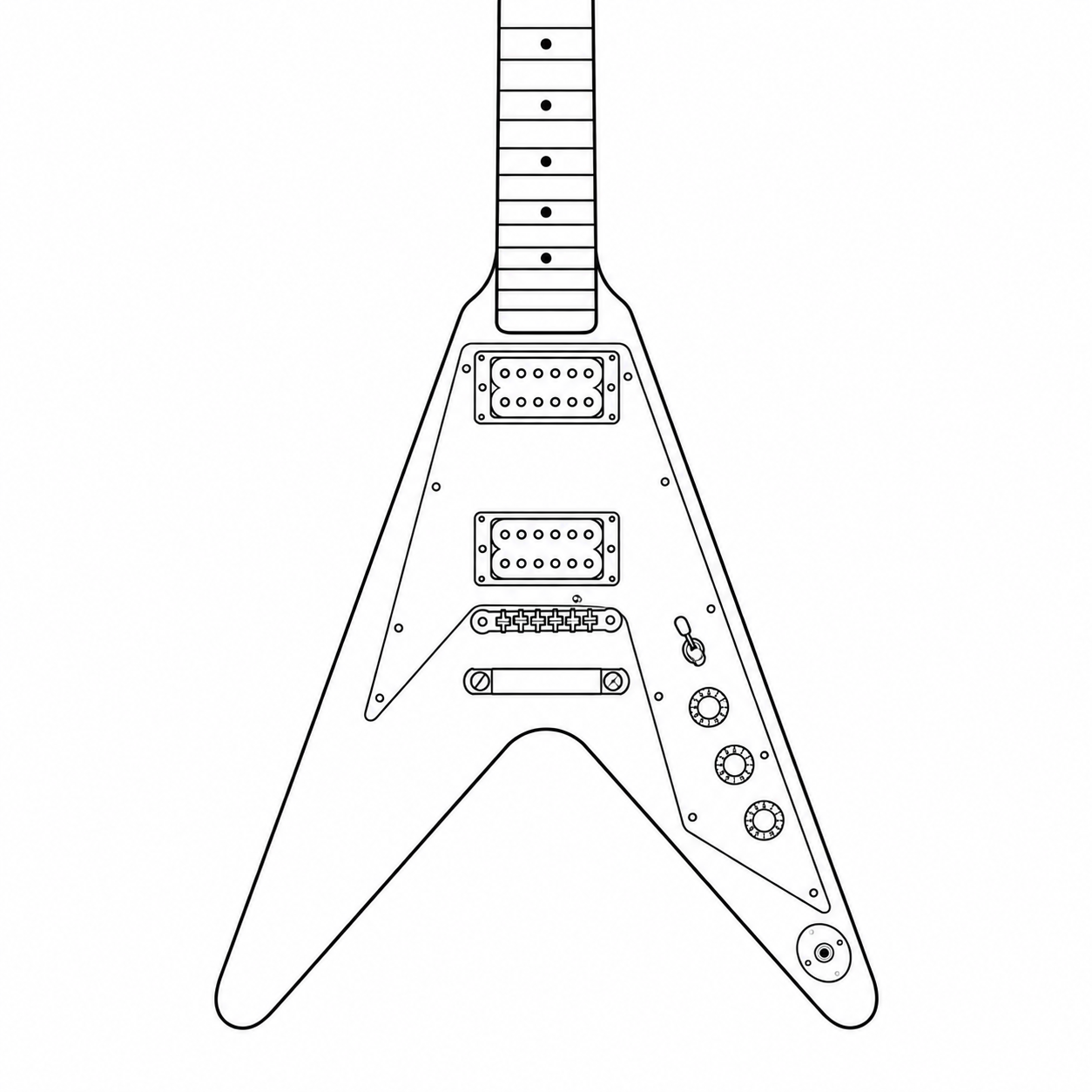
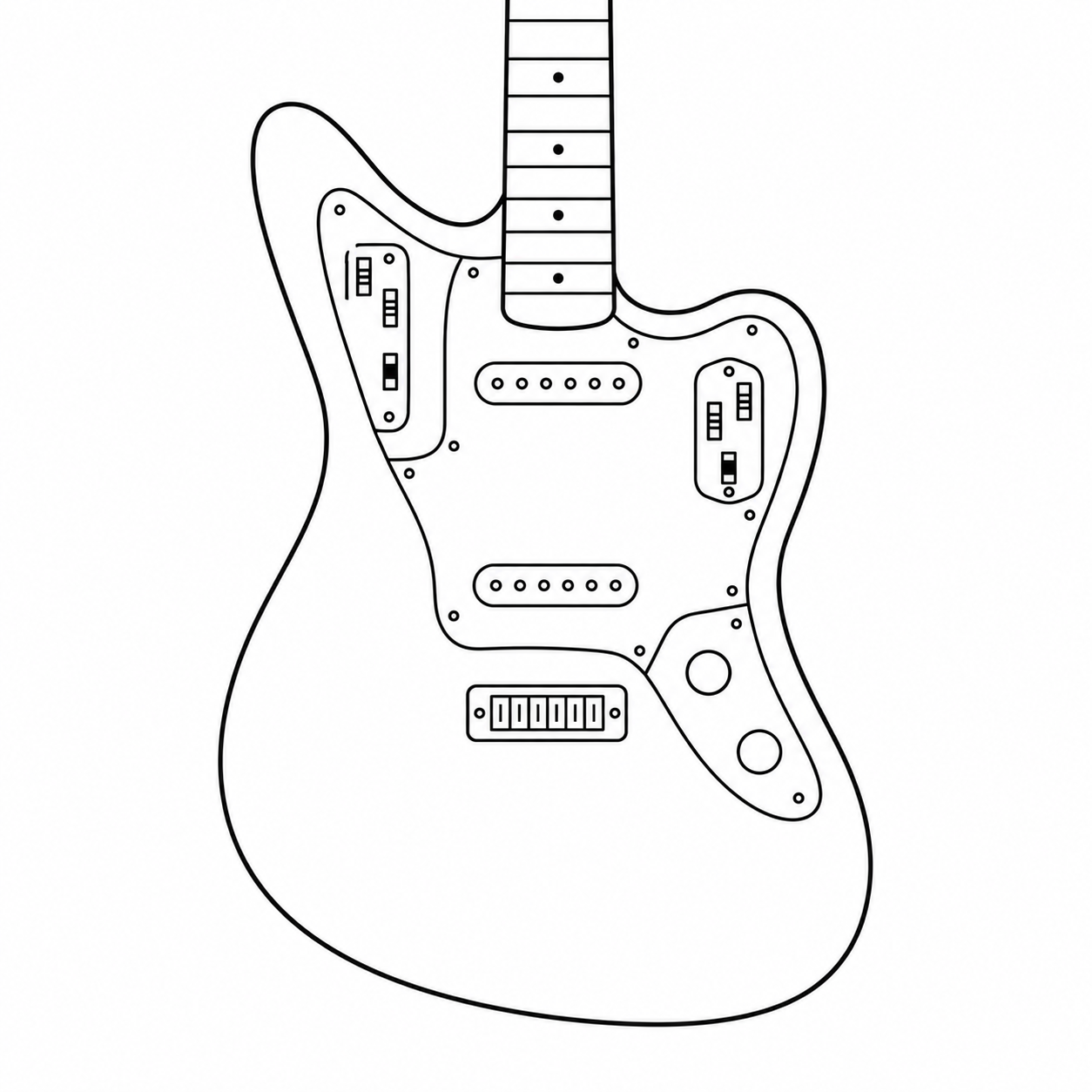
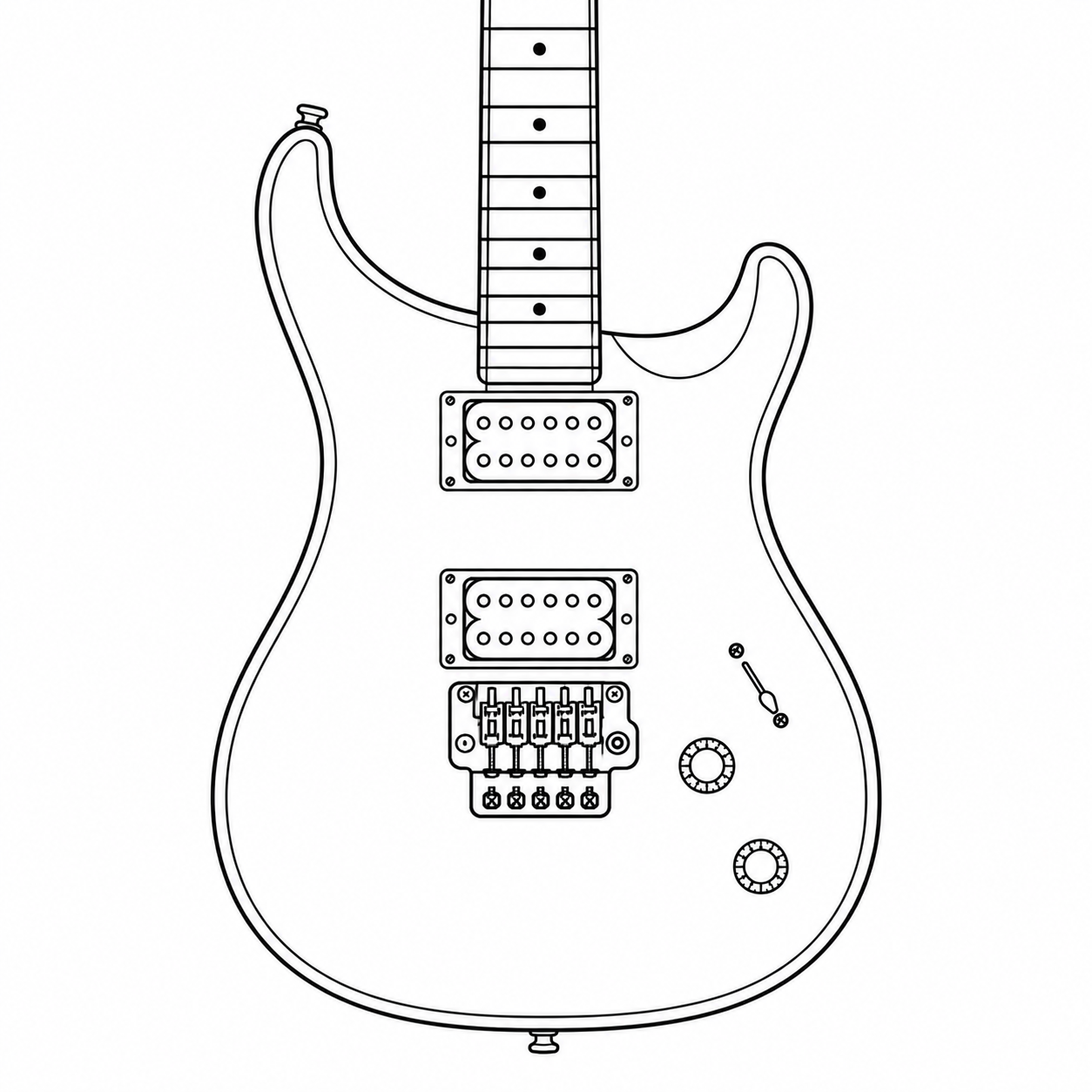
Since solid-body guitars rely primarily on the pickups for sound, the range of shapes and sizes is truly mind boggling. From traditional forms like the Fender Telecaster and Gibson Les Paul, through the jet-age streamlining of the Stratocaster, Jazzmaster and Jaguar, to the ultra-modern (and sometimes ahead of their time) character of the Gibson Explore and Flying V, guitars became fashion statements as much as purely musical instruments.

Acoustic Body Types

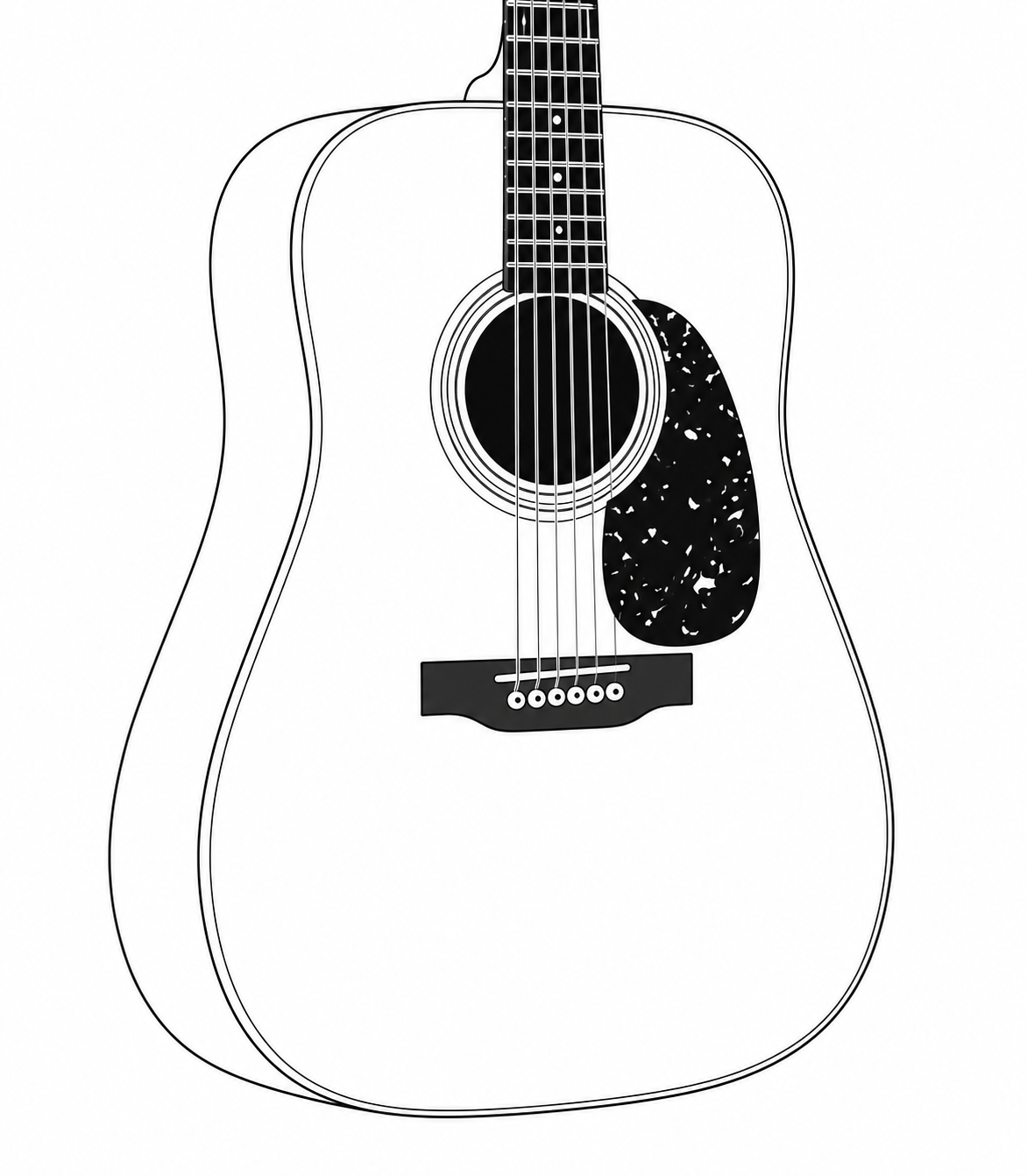
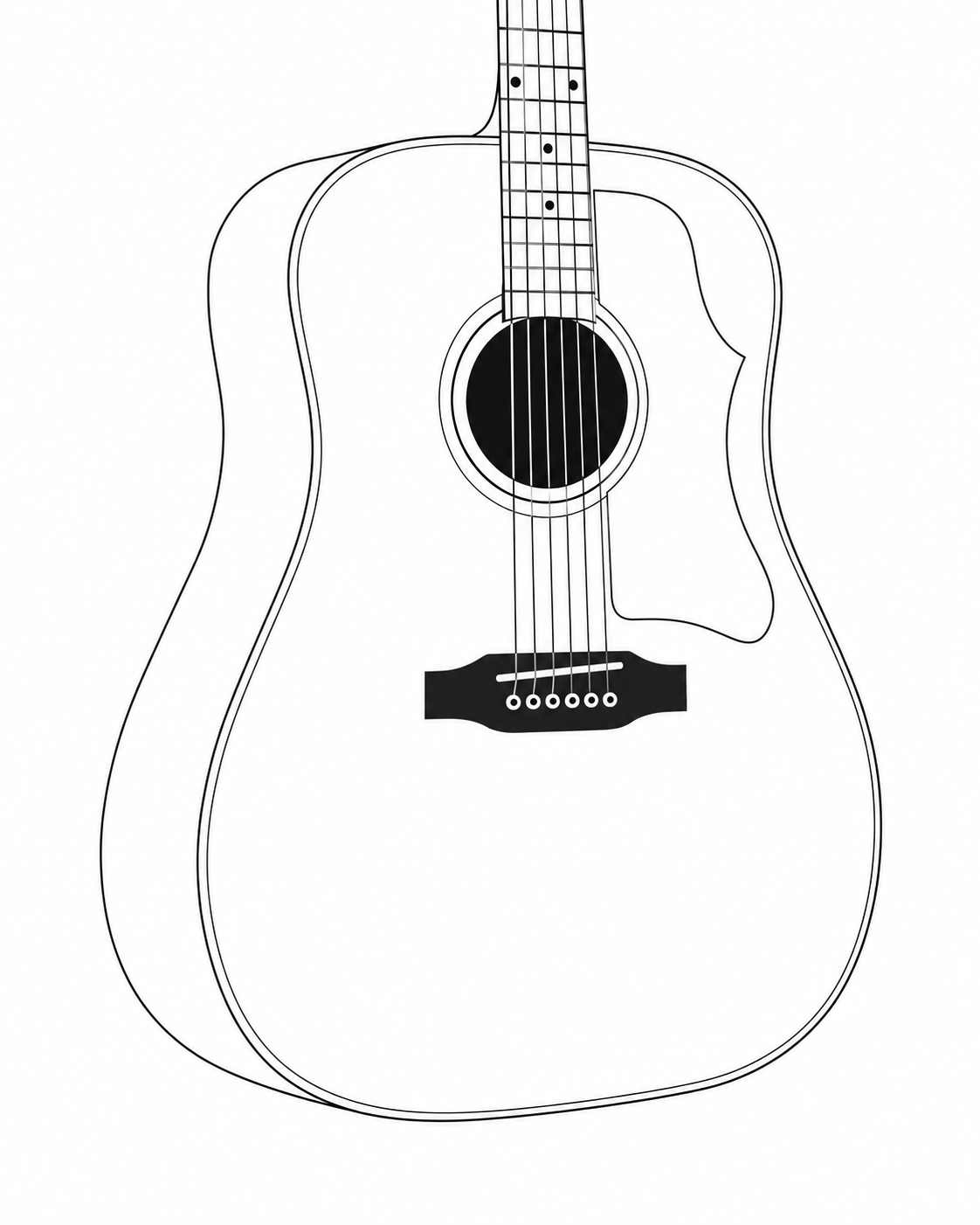
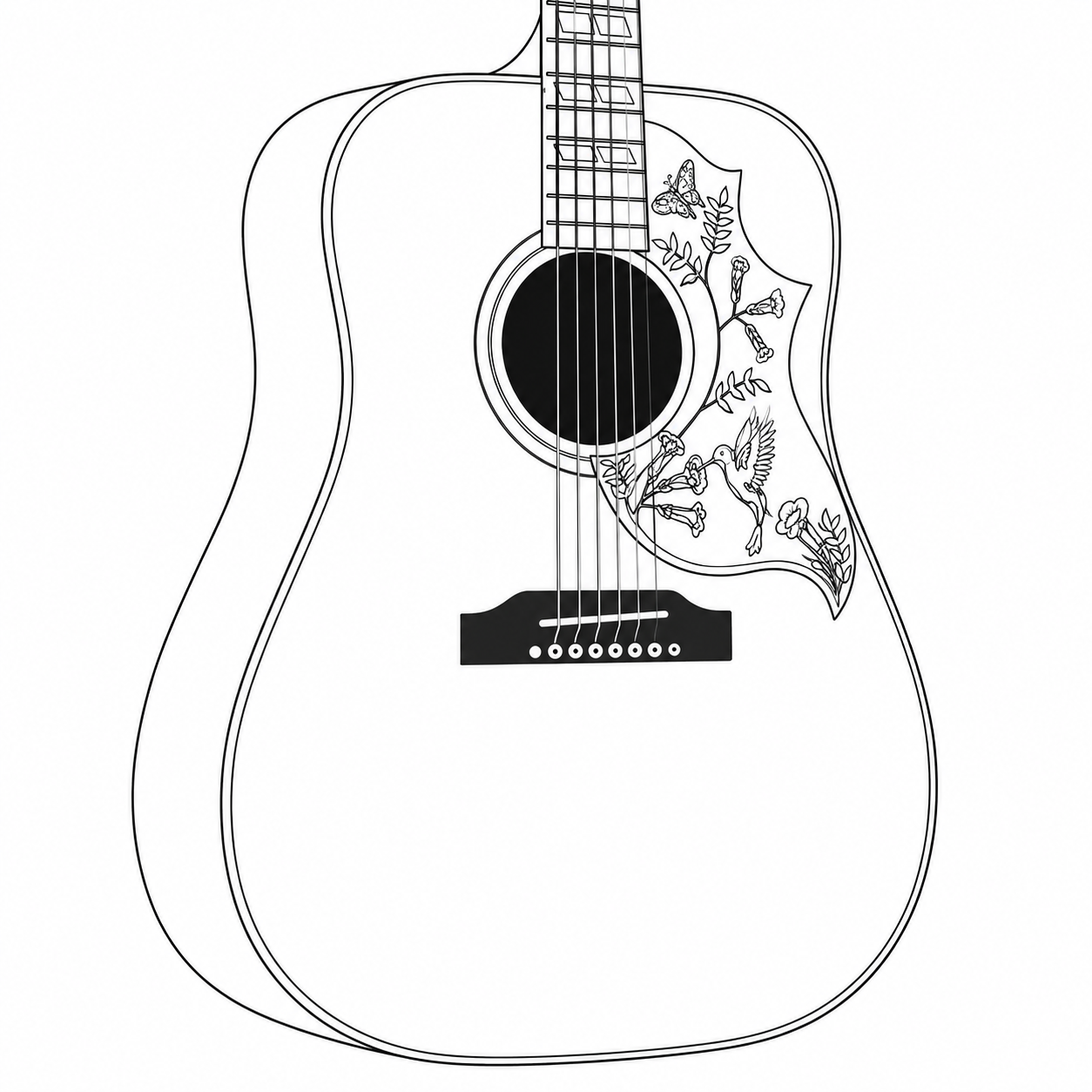
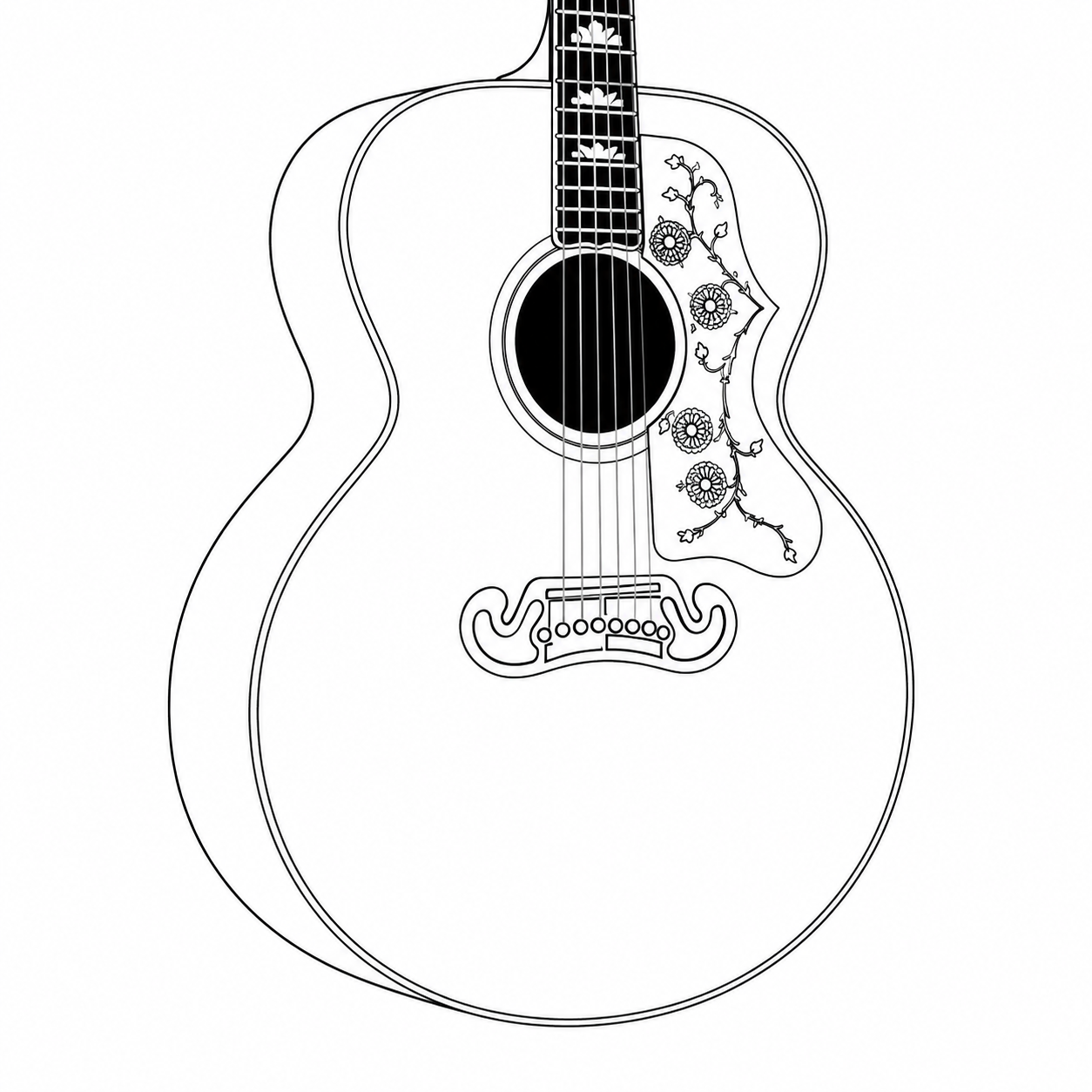
The most popular acoustic guitars are flat-tops. This traditional style is available in a number of sizes and body shapes ranging from tiny (Baby Taylor) to gargantuan (Gibson Super Jumbo). Obviously, the larger the guitar, the louder it is. Dreadnoughts like the ever-popular Martin D-28 are favorites of both flat-pickers and finger stylists on the basis of sheer volume and projection.

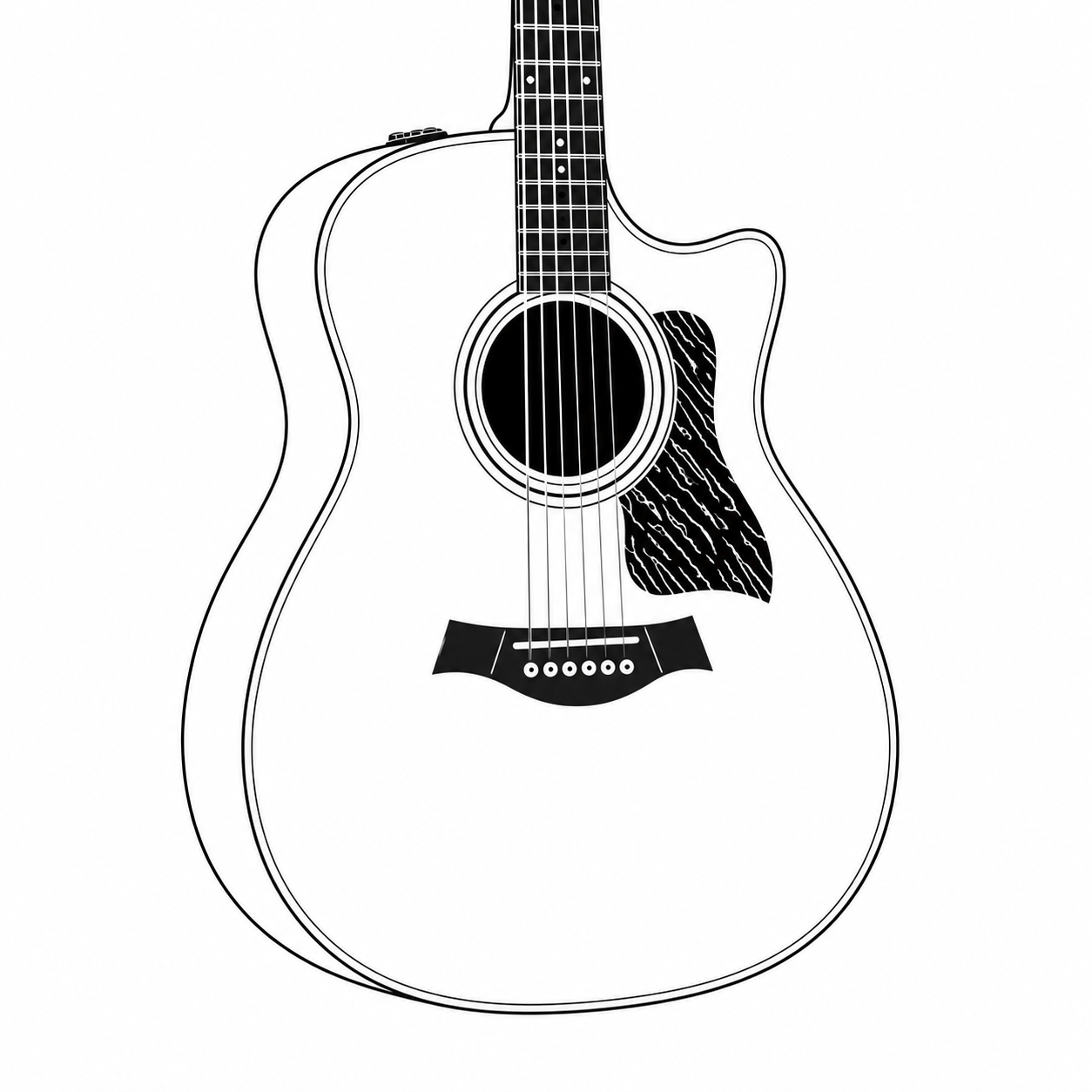
The smaller body sizes, variously called parlor, orchestra, and 000, make up in warmth and charm what they lack in sheer output. The Taylor Grand Concert and Grand Auditorium are popular choices in this size range. Think about what kind of venues you normally play, and consider the range of acoustic-electric pickup systems when deciding on the right guitar. As with every type of guitar, it's important to find the one that matches your personal musical voice.

There are still a handful of purely acoustic archtop guitars from various manufacturers, though they are very much a specialty item these days. But, if you're doing a solo jazz act or aspiring to be the next Freddie Green (Count Basie's long-time rhythm guitarist) they're worth checking out.

Guitar Necks

One of the primary factors in how a guitar feels and plays is the neck. Variations in scale length, commonly between 24.5" and 25.5", determine string tension, a major contributor to sonic personality. Shorter scale lengths, like the 24.5" of many Gretsch guitars or 24.75" of most Gibson guitars, give lower tension and tend towards a warmer sound. It's easier to bend strings on a shorter scale, but sometimes the lower strings can lose a little clarity.

Longer scale lengths, like the 25.5" standard used by most Fender guitars, gives a brighter, snappier sound at the cost of higher tension. You have to work a little harder to bend strings on a longer scale, but many players feel the increased note articulation is worth it. PRS guitars use a median scale length of 25", which they feel provides the best compromise between the two extremes.

These same factors apply to acoustic guitars, with most dreadnought size bodies having the longer scale length and smaller parlour and orchestra size bodies staying with a shorter scale for the warmer tones associated with it. As always with "feel" issues, your mileage may vary, which is why it's important to get your hands on as many variation as you can to learn what suits your playing best.

Guitar Fingerboards

Another consideration with necks is the curve of the fingerboard, also called the fretboard. Unlike classical and flamenco guitars, which have flat fingerboards, steel string guitars, both acoustic and electric, have slightly curved fingerboards. This curve is expressed as the radius of the circle that the fingerboard can be thought of as being part of. The smaller the radius, the more curved the fingerboard. Since your fingers are more curved than straight, the curve of a fingerboard makes it easier to play barre chords and fret multiple strings at once.

Smaller radii, like the 7.25" of vintage Fenders, can make bending strings more difficult, though, and the curve can cause the string to "fret out" on higher frets as it moves away from its natural rest point. Guitarists who aim at doing some serious shredding tend to like flatter fingerboards, sometimes with as much as a 20" radius. Many manufacturers have settled on 12" as a good general purpose radius. Acoustic guitars tend towards a flatter radius, mostly in the 16–20" range.

Worth mentioning is the current trend towards compound-radius fingerboards. Pioneered by boutique builders in the 1980s, a compound radius will be more curved near the nut, where a player is likely to do more chording, gradually becoming flatter towards the higher frets, for ease of playing single-note lines. Common compound radius choices are 9.5–15" or 12–16", though there are many choices available.

Guitar History

Guitar-like instruments date back almost as far as recorded history. The first known illustrations of its ancestor, the kithara, are almost 4,000 years old. These multi-string, fretted instruments are part of an instrument family known as chordophones. Basic guitar design spread and evolved across many cultures over the years. The guitar began to take its modern form in 16th Century Spain. These, it was still primarily used as a rhythm instrument for accompaniment rather than as a solo voice.

The development of a fanned bracing system in the early 19th century by Spanish guitarist Antonio de Torres Jurado made the instrument more durable and louder. Finally able to hold its own and project to a larger audience, guitar was off to the races. Most modern classical and flamenco guitars still use a bracing pattern that is essentially the same as the one Torres developed.

Despite its mostly European roots, most of the development of modern acoustic and electric guitars happened in the United States. It started when German immigrant Christian Frederick (C.F.) Martin invented a new X-bracing pattern around 1843. In increasing both volume and durability, this helped make the guitar more portable. It was suited to be the musical choice of a population that was increasingly on the move as the country expanded westward.

The development of the modern arch-top guitar traces to Orville Gibson, who began carving tops for his company's guitars in the late 19th century. Lloyd Loar added a violin-style f-hole in the 1920s. The punchy rhythm of an arch-top design could cut through the developing sound of jazz better. Still, the guitar was still not an instrument that could rise above the rest of the band as a solo voice, like brass and wind instruments could. It was time to plug things in.

Popular rumor has it that the first guitar pickup was a phonograph needle stuck into the top of a guitar. Maybe so, but there's not definite evidence, as attractive as the story is. It may stem from the fact that the first magnetic guitar pickup, designed by George Beauchamp for the Rickenbacker (then Ro-Pat-In) "Frying Pan" lap steel, started from Beauchamp's experiments with phonograph pickup assemblies. The Frying Pan, interestingly, is also an instrument that can also make a claim as being the first solid-body guitar.

The electric guitar really started to take off with a combination of Gibson's 1936 introduction of the ES-150 and its adoption by Benny Goodman guitarist Charlie Christian, who remains an inspiration for many guitarists today. The pickup that became known as the Charlie Christian pickup was a single-coil pickup that used a single bar as a common pole-piece for all six strings. It was originally developed for Gibson's lap steels, but placing one on the ES-150 was either a stroke of genius, or an example of sheer luck that established the electric guitar as the wave of the future.

As amplifiers grew more powerful and music got louder, many builders and guitarists began to experiment with the idea of guitars made from solid wood to ameliorate the problem of uncontrollable feedback howls that came with higher volumes. It was an idea that's time had clearly come, from the number of different versions of a solid-body guitar that began to appear in the 1940s and early 1950s.

Most credit Paul Bigsby with the first true solid-body non-lap-steel guitar. It was popularized by country-western guitarist and finger-picking legend, Merle Travis. Bigsby's guitar debuted in 1948, followed very shortly by Leo Fender's Broadcaster which was renamed the Telecaster in 1952 after having been nameless for a couple of years due to Gretsch already owning the original name. The 1950–52 guitar marked only with Fender on the headstock is popularly known as the Nocaster.

The rock-and-roll explosion of the 1950s and 1960s greatly expanded both the use and the technology of electric guitars. The release of Gibson's Les Paul models and Fender's Stratocaster were only the beginning. Soon came further development of the humbucking pickup along with revolutions in materials and electronics. With new design concepts like headless designs, multi-scale instruments, modeling electronics, and extended range 7-, 8- and 9-string guitars, the guitar's future has never looked brighter.